Famous Urdu Poetry by ALLAMA IQBAL. Recited by Raheel Farooq.
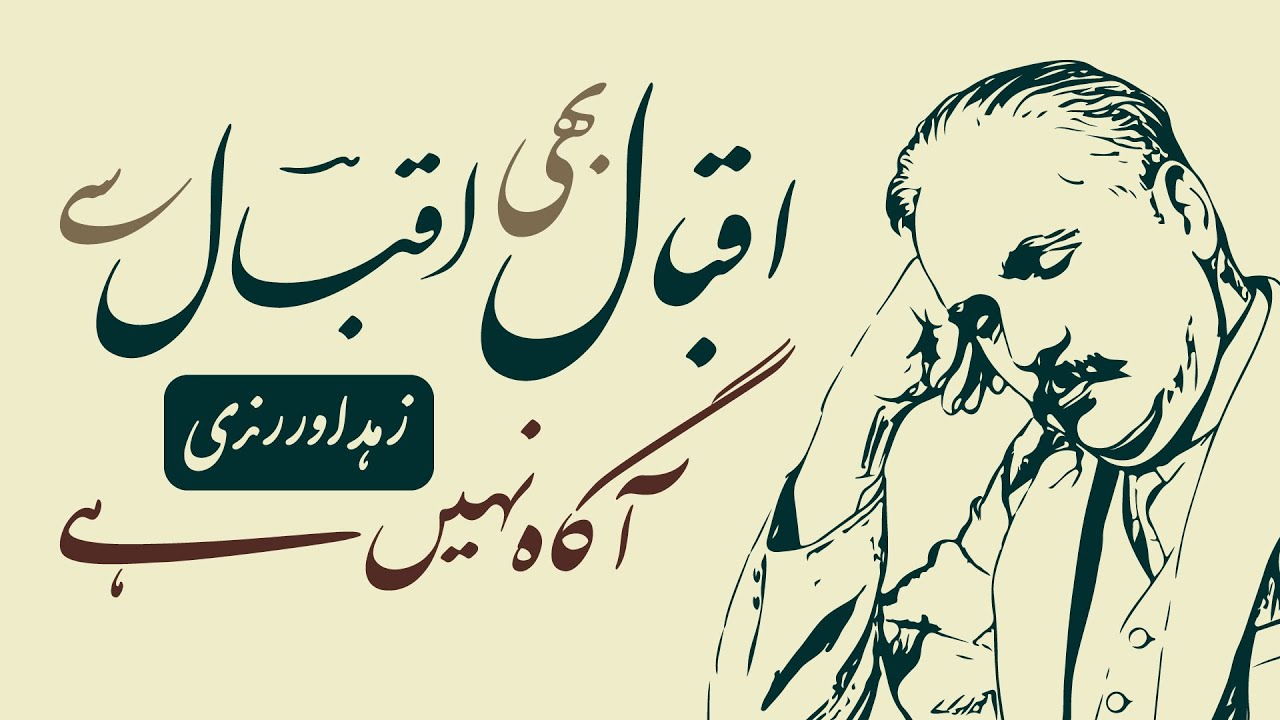
Nazm (Poem): Zuhd Aur Rindi
What do you love most about this shayari? Let us know in the comments!
_____
LEHJA
Lehja is a celebration of the timeless art and beauty of Urdu literature, especially poetry. As the largest online media library of Urdu classics, it brings the masterpieces of the greatest Urdu writers to life through eloquent readings and recitations in the voice of Raheel Farooq, enhanced by the soothing melodies of the sitar. Upholding the highest standards of Urdu accent and pronunciation, Lehja is also known for its aesthetic calligraphy, tasteful selections and the subtle art of heart-touching performance, ensuring that every video delivers an unforgettable cultural, emotional and spiritual experience to you. Whether you are a lover of Urdu Adab, an admirer of fine art or someone exploring the best of the Urdu language, Lehja cordially welcomes you to a world of peace, poise and purity.
LINKS
Subscribe: / @urdu
Support: / urdu
Shop: https://www.amazon.com/shop/urdu (affiliate commissions)
BUSINESS
Elevate your brand with professional Urdu voice over, translation, writing and consultation services. Partner with us to achieve your business goals. Reach out to us at info@urdupro.com.
LEGAL
The rights to music, images and literature (unless in the public domain) belong to their respective creators. For any concerns, please contact info@urdugah.com. All voiceovers, videos, branding and publications are copyrighted by Raheel Farooq.
_____
ALLAMA IQBAL
Mohammad Iqbal (1877–1938), revered as the poet-philosopher of the East, was born in Sialkot to a Kashmiri Brahmin family that had embraced Islam centuries earlier. Rooted in the classical traditions of Arabic, Persian, and Urdu, and shaped by a liberal Western education in Lahore, Cambridge, and Germany, Iqbal emerged as a unique voice that bridged civilisations. Equally at ease with Eastern metaphysics and Western thought, he gave to the world the profound philosophy of khudi—selfhood grounded in love, action, and divine purpose. Though celebrated in Pakistan as a visionary of its creation, he also penned the enduring Indian patriotic anthem "Sāre Jahān Se Achchā", reflecting a heart that beat for unity. His poetry—rich in symbol, myth, and metaphor—reimagines history, faith, and humanity in a timeless quest for harmony and wholeness.
_____
Full Text of the Urdu Poem (Nazm) in Roman Transliteration (Courtesy: Rekhta):
ZUHD AUR RINDI
ik maulvī sāhab kī sunātā huuñ kahānī
tezī nahīñ manzūr tabī.at kī dikhānī
shohra thā bahut aap kī sūfī-manushī kā
karte the adab un kā a.aalī o adānī
kahte the ki pinhāñ hai tasavvuf meñ sharī.at
jis tarah ki alfāz meñ muzmar hoñ ma.ānī
labrez mai-e-zohd se thī dil kī surāhī
thī tah meñ kahīñ durd-e-ḳhayāl-e-hama-dānī
karte the bayāñ aap karāmāt kā apnī
manzūr thī tādād murīdoñ kī baḌhānī
muddat se rahā karte the ham-sā.e meñ mere
thī rind se zāhid kī mulāqāt purānī
hazrat ne mire ek shanāsā se ye pūchhā
'iqbāl' ki hai qumri-e-shamshād-e-ma.ānī
pābandi-e-ahkām-e-sharī.at meñ hai kaisā
go sher meñ hai rashk-e-kalīm-e-hamdānī
suntā huuñ ki kāfir nahīñ hindū ko samajhtā
hai aisā aqīda asar-e-falsafa-dānī
hai us kī tabī.at meñ tashayyo bhī zarā sā
tafzīl-e-alī ham ne sunī us kī zabānī
samjhā hai ki hai raag ibādāt meñ dāḳhil
maqsūd hai maz.hab kī magar ḳhaak uḌānī
kuchh aar use husn-farāmoshoñ se nahīñ hai
aadat ye hamāre shorā kī hai purānī
gaanā jo hai shab ko to sahar ko hai tilāvat
is ramz ke ab tak na khule ham pe ma.ānī
lekin ye sunā apne murīdoñ se hai maiñ ne
be-dāġh hai mānind-e-sahar us kī javānī
majmua-e-azdād hai 'iqbāl' nahīñ hai
dil daftar-e-hikmat hai tabī.at ḳhafaqānī
rindī se bhī āgāh sharī.at se bhī vāqif
pūchho jo tasavvuf kī to mansūr kā saanī
us shaḳhs kī ham par to haqīqat nahīñ khultī
hogā ye kisī aur hī islām kā baanī
al-qissa bahut tuul diyā vaaz ko apne
tā-der rahī aap kī ye naġhz-bayānī
is shahr meñ jo baat ho uḌ jaatī hai sab meñ
maiñ ne bhī sunī apne ahibbā kī zabānī
ik din jo sar-e-rāh mile hazrat-e-zāhid
phir chhiḌ ga.ī bātoñ meñ vahī baat purānī
farmāyā shikāyat vo mohabbat ke sabab thī
thā farz mirā raah sharī.at kī dikhānī
maiñ ne ye kahā koī gila mujh ko nahīñ hai
ye aap kā haq thā ze-rah-e-qurb-e-makānī
ḳham hai sar-e-taslīm mirā aap ke aage
piirī hai tavāzo ke sabab merī javānī
gar aap ko mālūm nahīñ merī haqīqat
paidā nahīñ kuchh is se qusūr-e-hamādānī
maiñ ḳhud bhī nahīñ apnī haqīqat kā shanāsā
gahrā hai mire bahr-e-ḳhayālāt kā paanī
mujh ko bhī tamannā hai ki 'iqbāl' ko dekhūñ
kī us kī judā.ī meñ bahut ashk-fishānī
'iqbāl' bhī 'iqbāl' se āgāh nahīñ hai
kuchh is meñ tamasḳhur nahīñ vallāh nahīñ hai
#Urdu #Poetry #Literature







![Sahil Adeem or Hisham elahi Zaheer ki Donkey Halal & Haram Per Debate [Engineer Muhammad Ali Mirza]](https://i.ytimg.com/vi/Z23QePwqXts/maxresdefault.jpg)


Информация по комментариям в разработке