The Irish Volunteer is one of the most evocative songs to emerge from the Irish-American experience of the mid-19th century. Although it is often assumed to be a traditional Irish nationalist song from Ireland itself, the evidence points more precisely to an Irish-American origin, rooted in the years of the American Civil War.
The version most commonly associated with Irish immigrant soldiers is generally attributed to Joe English, a New York–based Irish-American songwriter and music-hall performer active during the 1860s. It appears to date from around 1864, when it circulated in Irish-American songsters published by firms such as Dick & Fitzgerald. Like many popular songs of the period, it was written to a well-known melody — The Irish Jaunting Car — following the widespread 19th-century practice of setting new political lyrics to familiar airs so that songs could be easily learned and sung communally.
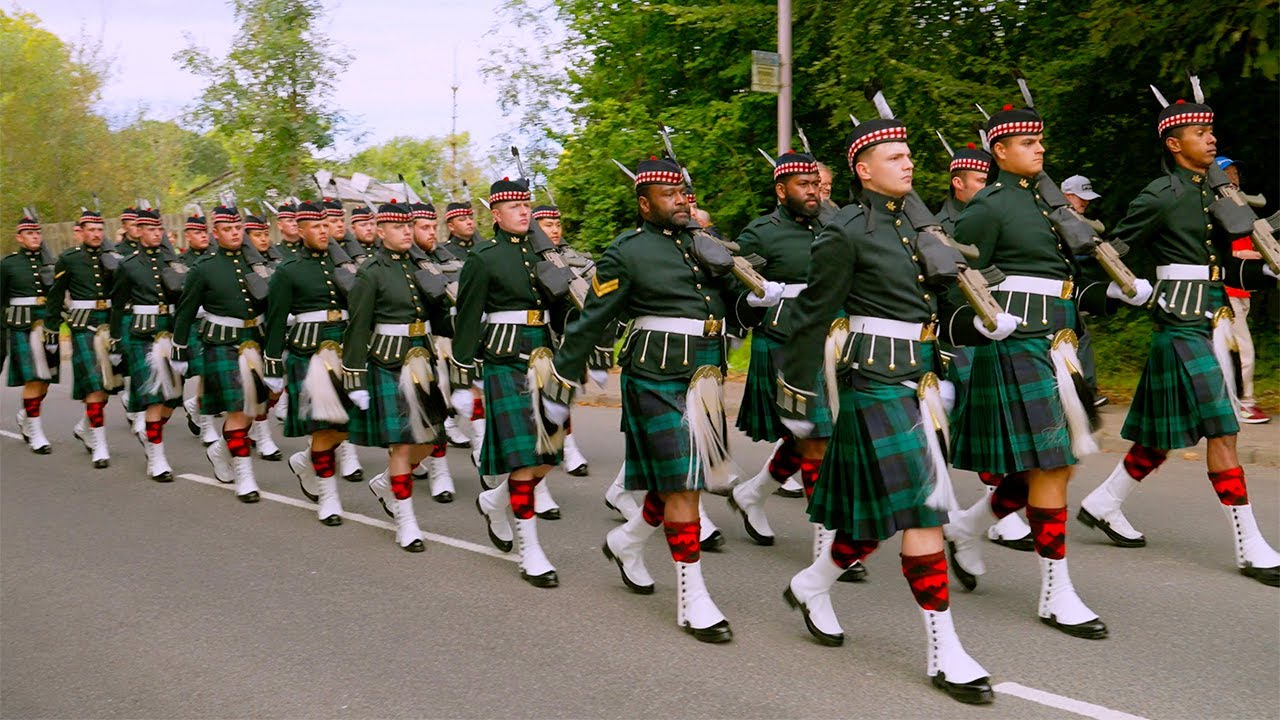
Historically, the song belongs to the world of Irish immigrant communities in the United States, many of whom supplied large numbers of volunteers to the Union Army. For these men, military service was often framed as a moral and political act: a defence of liberty in exile, and a statement of loyalty in a new country that did not always welcome them. The lyric’s emphasis on duty, sacrifice, and reluctant departure reflects this outlook, balancing idealism with emotional cost.
Central to the song is the figure of Mary Mavourneen. On one level, she is the beloved left behind; on another, she fits squarely within a long symbolic tradition in Irish song, where the woman stands in for Ireland itself — cherished, vulnerable, and mourned. The repeated farewell refrain turns the song into a ritual of leave-taking, rather than a piece of military reportage. Notably, the lyric avoids naming specific battles or locations, allowing it to function as a broadly applicable volunteer’s farewell across different conflicts and generations.
It is important to note that there is more than one Civil War-era song titled The Irish Volunteer. A separate composition — often catalogued as The Irish Volunteer (No. 2) — was written by S. Fillmore Bennett, with music by J. P. Webster. That song is musically and lyrically distinct, more overtly American in tone, and closer to the parlor-song and patriotic concert repertoire of the period. The existence of multiple songs under the same title reflects how resonant the idea of the “Irish volunteer” had become during the 1860s, but it has also led to understandable confusion in later folk revivals.
My arrangement deliberately steps away from the original song’s declamatory or march-like character. Instead, I have re-imagined The Irish Volunteer as a sad air, drawing closer to Irish lament traditions than to recruitment or morale-boosting song. The instrumentation — Uilleann pipes, fiddle, whistle, accordion, and acoustic guitar — is chosen for breath, space, and restraint. The pipes, in particular, lend the melody a keening quality that foregrounds loss rather than rhetoric.
This approach does not contradict the song’s origins; it completes them. Behind every volunteer anthem lies an unspoken aftermath: absence, separation, and the possibility of never returning. By slowing the song down and allowing its melody to unfold with quiet gravity, this arrangement invites the listener to hear The Irish Volunteer not as a call to arms, but as a moment of stillness before departure — a human voice caught between love and duty, singing into the gloaming.












Информация по комментариям в разработке