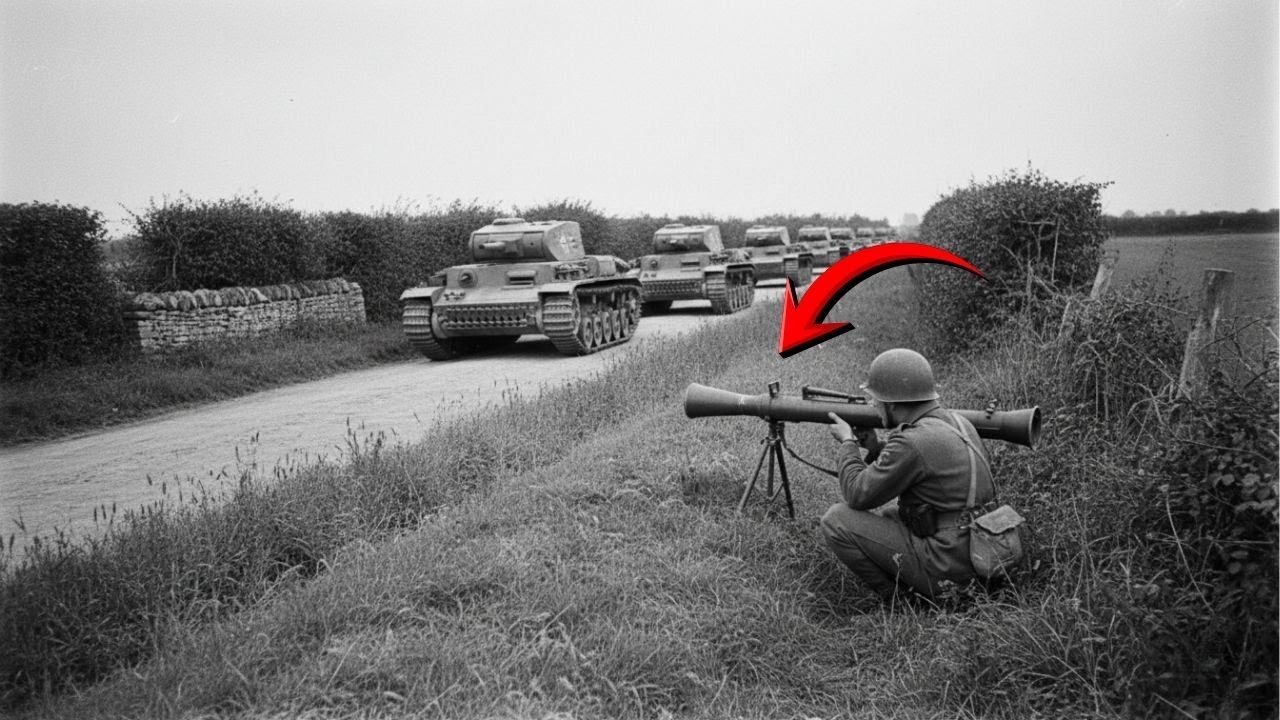
By August 1944, the British Boys anti-tank rifle was officially obsolete. The War Office had said so. Tank commanders had said so. Every infantryman who'd tried to stop a Panzer IV with one had learned it the hard way. The weapon fired a .55 caliber round designed in 1937 to penetrate light armor at 300 yards. But German armor had evolved. The Panzer IV's frontal plate was 80mm thick. The Panther's was 100mm. The Boys rifle could barely scratch them.
The math was brutal and simple. Boys rifle penetration: 21mm at 300 yards. Panther frontal armor: 100mm. The weapon was a relic, a liability. British infantry units had been ordered to abandon them, turn them in for PIATs—spring-loaded anti-tank mortars that at least had a chance. But in Normandy's hedgerow country, PIATs were heavy, slow, and required close range. Most infantry squads kept one Boys rifle, hidden in supply trucks, just in case. Nobody expected it to work. Nobody except Private William Harris.
Harris was a farm mechanic from Yorkshire. 28 years old, small frame, quiet disposition. Before the war, he'd repaired tractors and threshing machines. He understood engines, understood metal, understood how machinery failed. When his squad was issued the Boys rifle in 1943, Harris volunteered to carry it. Not because he believed in it—because nobody else wanted the dead weight.
For eight months, Harris studied German tanks. Not from training manuals. From wreckage. Every destroyed Panzer, every burned-out Panther, Harris examined them. He looked at armor plates, weld points, vision ports, engine compartments. He noticed patterns. Weak points that weren't in any British intelligence report. Places where armor was thin, where internal components were exposed, where a .55 caliber round might—just might—do more than bounce off.
By June 1944, Harris had a theory. The Boys rifle couldn't penetrate frontal armor. Everyone knew that. But German tanks had vulnerabilities that weren't about armor thickness. They were about design compromises. Ventilation grilles. Optics housings. The gap between turret ring and hull. Places where a precise shot at the right angle could disable critical systems without penetrating main armor.
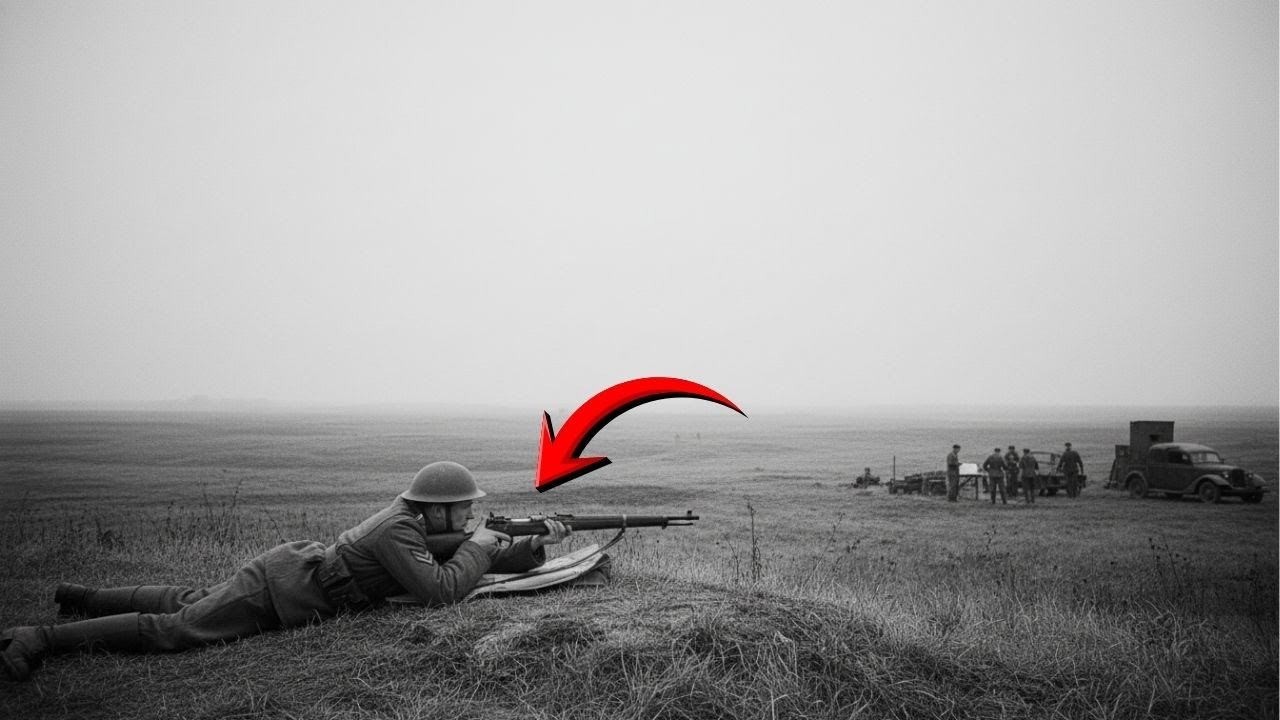
The theory was insane. It violated every anti-tank doctrine the British Army taught. Anti-tank weapons were supposed to destroy tanks, not disable them. And the Boys rifle lacked the precision for pinpoint shooting at combat ranges. The weapon kicked like a mule, had iron sights, and was considered accurate to maybe 200 yards in ideal conditions.
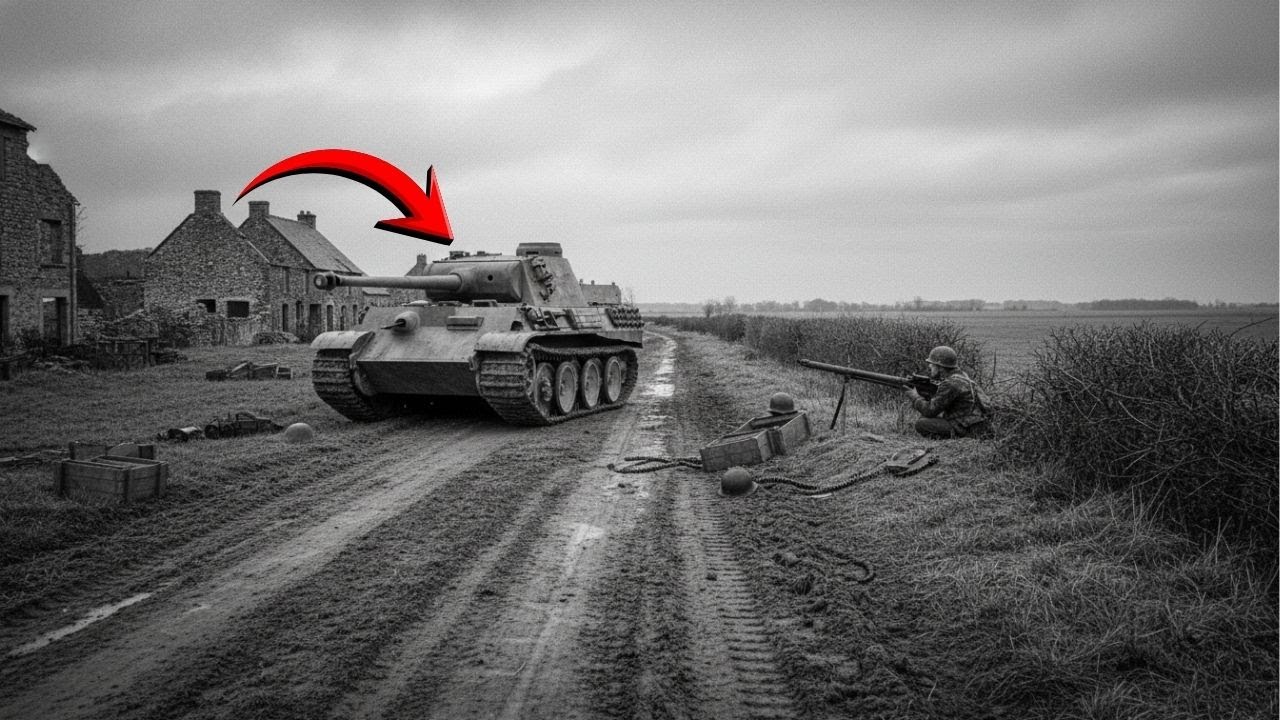
But on August 8th, 1944, near Caen, Harris's squad encountered something that would test his theory under the worst possible conditions. A Panther tank, 400 yards away, advancing through a hedgerow, about to overrun a British infantry position. No PIATs in range. No artillery support. No anti-tank guns. Just Harris, a Boys rifle, and 90 seconds before twelve men died.
What happened next would change how British infantry fought German armor for the rest of the war. Not through brute force. Through precision.










Информация по комментариям в разработке