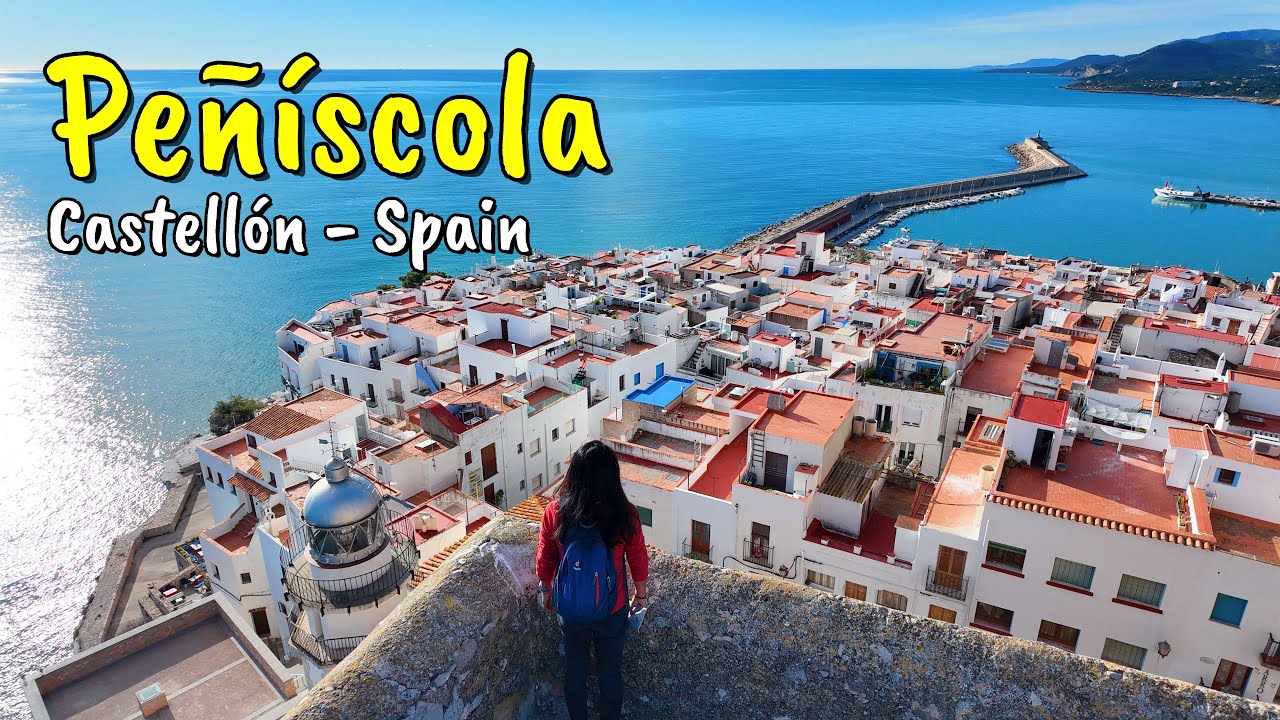
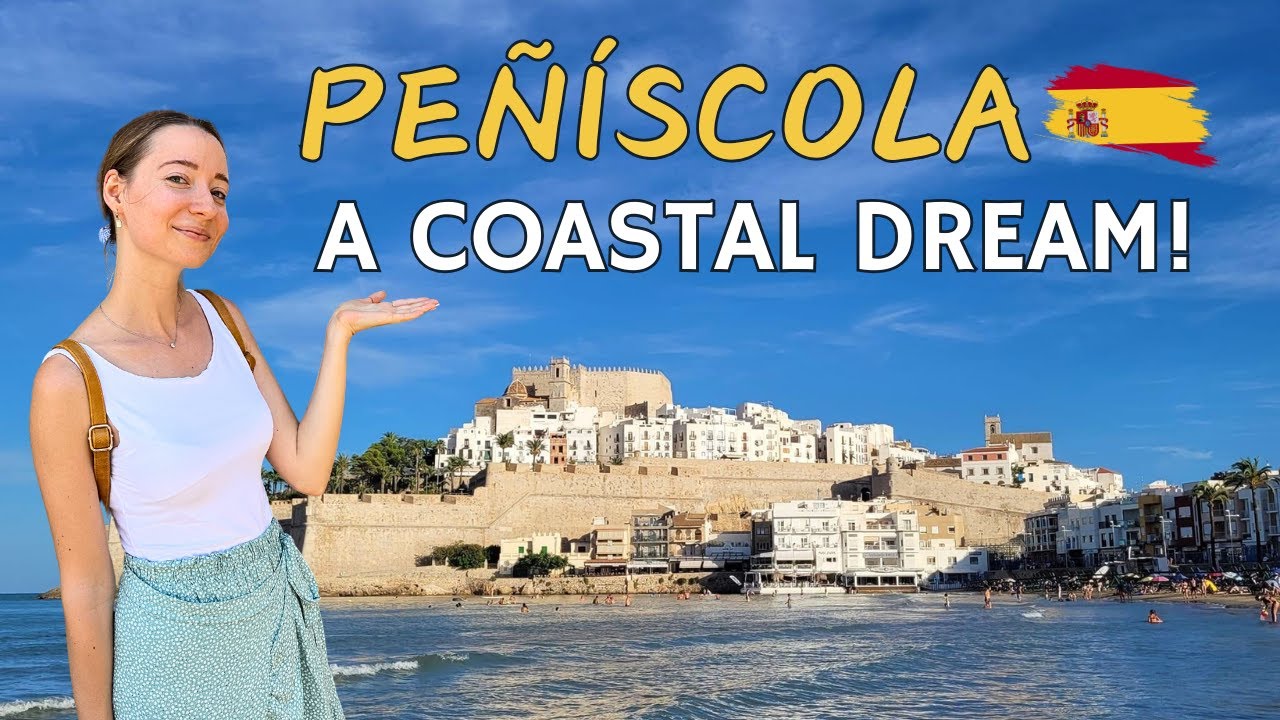
Peñíscola is located in eastern Spain, in the province of Castellón, within the Valencian Community. It is situated along the Mediterranean coast, about 140 km north of Valencia and 230 km south of Barcelona. The town is built on a rocky peninsula that extends into the sea, giving it a unique and picturesque landscape.
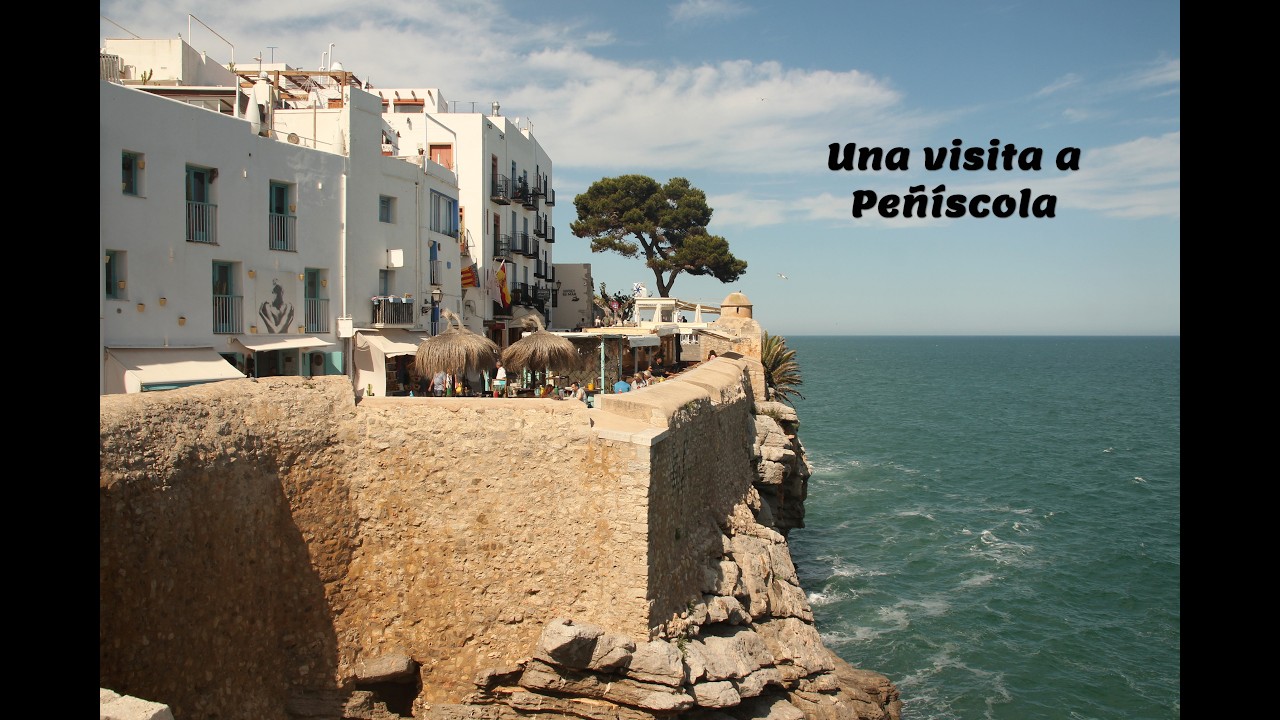
Before arriving to the castle, you need to cross narrow and charming streets with cobbled alleys and whitewashed buildings. The old town is full of cozy cafes, small shops, and stunning sea views, creating a peaceful and historic atmosphere.
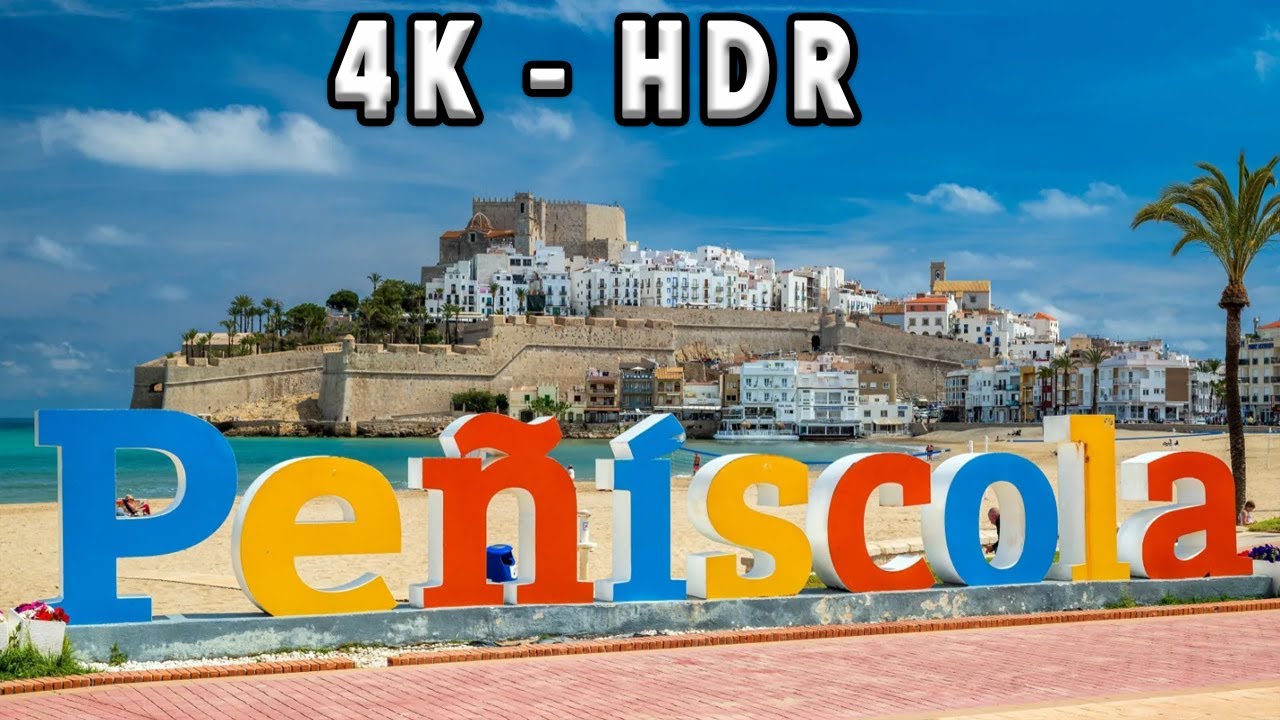
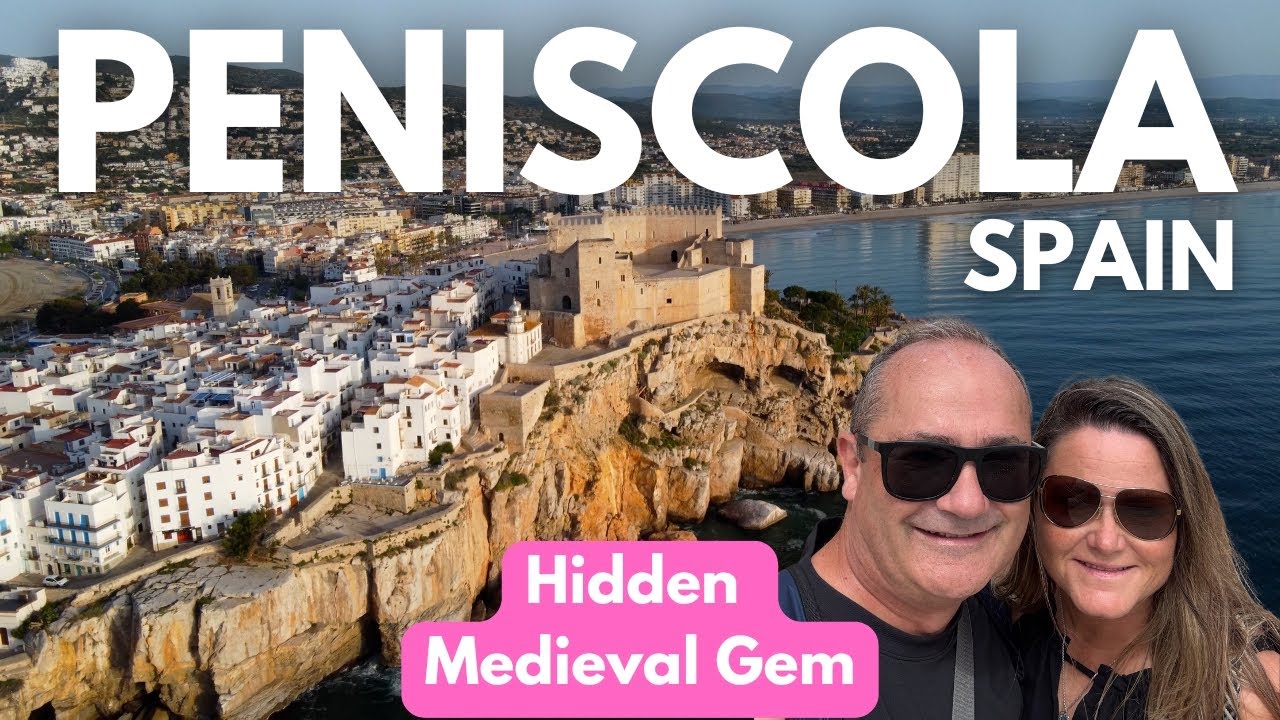
Peñíscola Castle, or Castillo del Papa Luna, is one of Spain’s most iconic fortresses, perched atop a rocky promontory that overlooks the Mediterranean Sea.
This impressive structure symbolizes strength, resilience, and intrigue, making it a must-visit destination for both history lovers and travelers.
The castle’s rich history dates back to the 13th century when it was built by the Knights Templar between 1294 and 1307.
This powerful military order constructed the fortress on the ruins of a previous Moorish stronghold, choosing the location strategically for its panoramic views and defensible position 64 meters above sea level.
The castle’s design is a perfect example of Templar architecture, with its robust, functional structure made from large, precisely cut limestone blocks.
The layout, featuring thick walls, high towers, and narrow windows, was specifically designed for defense against invaders. Over time, the castle became an important stronghold, standing resilient through many battles.
One of the most fascinating chapters in its history revolves around Pope Benedict XIII, also known as Papa Luna. During the Western Schism (1378–1417), when the Catholic Church was divided, Benedict XIII declared himself the true pope.
After being excommunicated, he took refuge in Peñíscola Castle in 1411, where he remained until his death in 1423.
Benedict XIII transformed the castle into his papal seat, turning it into a hub of political and religious power. His legacy still looms large today, and visitors can explore many sites within the castle connected to his tenure.
The castle is remarkably well-preserved and retains many of its original features. Notable elements include the Main Entrance and Courtyard, where knights once gathered, and the Great Hall, used for meetings and feasts. The Chapel of Benedict XIII is a significant area where religious services were held, and the Tower of the Pope, which offered a secure retreat for Benedict, offers sweeping views of the Mediterranean Sea. One unique feature is the underground cisterns, which provided a crucial water supply during long sieges.
Over the centuries, Peñíscola Castle played a key role in numerous military conflicts. During the Reconquista, it was an essential defensive structure for Christian kingdoms fighting to reclaim Spain from Muslim rule. The castle also played a role in the War of Spanish Succession (1701–1714) and was fortified again during the Peninsular War (1808–1814) when French forces occupied it. Even during the Spanish Civil War (1936–1939), the castle was put to military use.
The castle is steeped in folklore and legends. One of the most enduring tales is that of Pope Benedict XIII’s ghost, said to haunt the castle, protecting his legacy. Visitors sometimes report hearing whispers or seeing ghostly figures in the castle’s shadowy halls. Another legend speaks of a secret tunnel that connects the castle to the mainland, which is said to have been used for escapes or as a supply route during sieges. While no concrete evidence has been found, this story continues to spark curiosity.
Peñíscola Castle’s dramatic architecture and history have also made it a popular filming location. It served as the backdrop for Meereen in the Game of Thrones series, bringing international attention to the town and castle, and attracting fans from all over the world.










Информация по комментариям в разработке