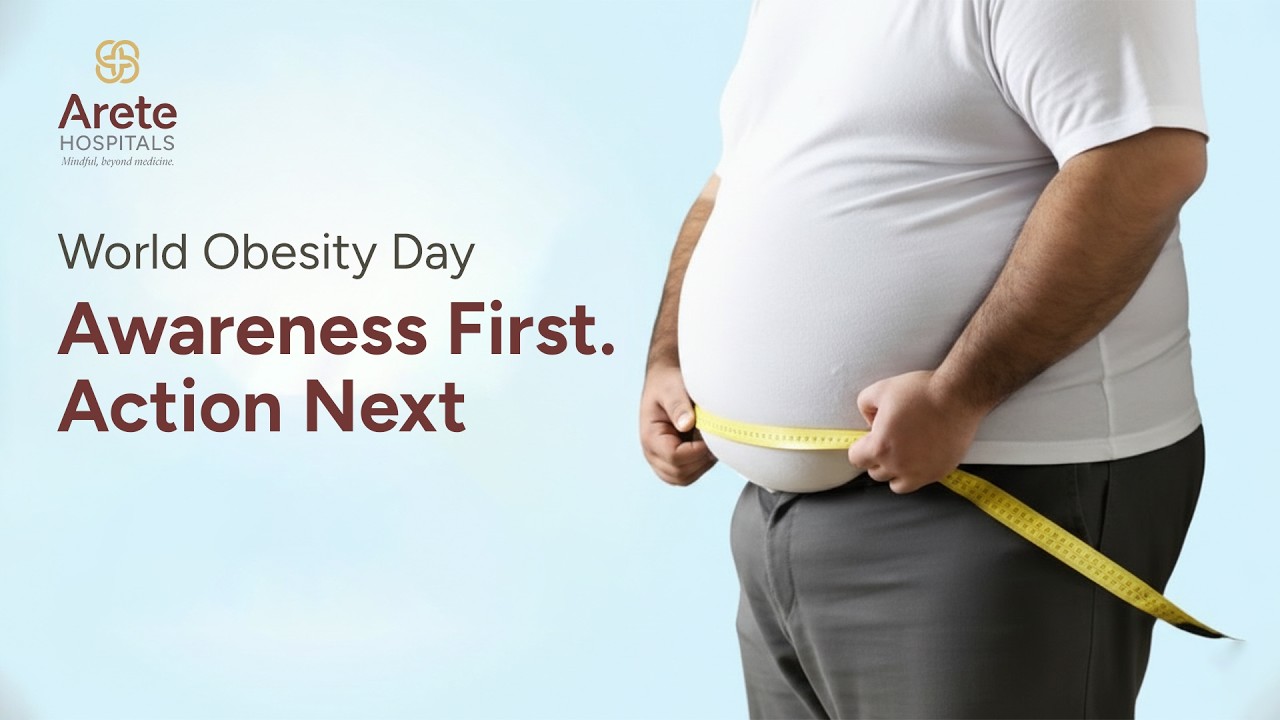
On World Obesity Day, Dr. Prudhwiraj S, Consultant – Endocrinology, Arete Hospitals, Gachibowli, Hyderabad, explains why obesity is a growing global concern and why it must be addressed seriously. He highlights that nearly 1 billion people worldwide are currently living with obesity, and by 2035, this number may rise to 4 billion, meaning one in two people could be affected.
How Obesity Is Identified
Obesity is commonly assessed using Body Mass Index (BMI). In Indians, a BMI above 25 kg/m² is considered obesity. He also explains the concept of normal weight obesity, where a person’s weight appears normal, but body fat percentage is high. Body fat above 25% in men and 30% in women falls into this category.
Causes of Obesity
Obesity does not occur due to a single reason. It usually happens due to multifactorial.
Internal causes include
Genetic factors (both single gene defects like leptin abnormalities in rare severe cases and multiple gene involvement in most people) and
Hormonal problems such as hypothyroidism, Cushing’s syndrome, growth hormone deficiency, hypoparathyroidism, and insulin resistance
External causes include
Unhealthy eating habits
Lack of physical activity
Psychosocial stress
Night shift work
Most individuals have a combination of these internal and external factors.
Health Risks Linked to Obesity;
Obesity significantly increases the risk of
Early onset Type 2 diabetes
High blood pressure
Heart disease,
Stroke
Fatty liver disease
Sleep apnea
Early osteoarthritis
Sexual dysfunction
Hypogonadism
Infertility
Cancers such as breast and colon cancer
Addressing obesity early can help prevent many of these complications.
Different Types of Obesity Patterns - Phenotypes
Dr Prudhwiraj explains that obesity presents different in different individuals;
Some people have a “hungry brain,” where they do not feel full easily and tend to overeat in one sitting
Some have a “hungry gut,” where they feel hungry frequently due to faster gastric emptying
Others are emotional eaters who associate food with stress, sadness, or happiness
Some are “slow burners,” meaning they have low resting metabolism and reduced energy expenditure
Many individuals may have a mix of these patterns
Treatment Approach
Hence it is important to identify the phenotypes. Management must be personalized. It involves;
Correcting diet (what, how much, and when to eat)
Combining cardio and resistance exercises with gradual increase in intensity
Ensuring at least seven hours of sleep and managing stress effectively
Weight Loss Medications
He also discusses commonly talked-about medications such as Ozempic, Wegovy, and Mounjaro and these may be considered for individuals with BMI above 25 kg/m² along with conditions like Type 2 diabetes, fatty liver disease, sleep apnea, infertility, or hormonal issues. Such medications should always be taken under medical supervision.
Final Message
Obesity treatment is not one-size-fits-all. Proper evaluation, dentification of underlying causes, and personalized guidance from an endocrinologist are essential for safe and effective weight
management.
Time Codes
0:03 Doctor Introduction
0:46 Parameters to Identify Obesity
1:17 Causes of Obesity
1:33 Exogenous - External Causes
1:54 Endogenous - Internal Causes
3:11 Health Risks Linked to Obesity
4:02 Different Types of Obesity Patterns -Phenotypes
8:05 Treatment Approach
8:56 Weight Loss Medications
9:40 Final Message
About Arete Hospitals: Arete believes that a good environment helps in healing and good facilities help experts achieve beyond their expertise.
To Know More: https://www.aretehospitals.com/
About the Doctor: Dr Prudwiraj Sanamandra is a highly regarded Consultant in Endocrinology, with a comprehensive educational background and a commitment to advancing Endocrine health. He stands as a distinguished figure in the medical community. He earned his MBBS from Andhra Medical College, followed by an MD in Internal Medicine and a DM in Endocrinology.
Book an Appointment with Dr. Prudwiraj Sanamandra:
https://www.aretehospitals.com/book-d...
Connect with our other platforms for regular updates:
1. Facebook: / aretehospitals
2. Instagram: / aretehospitals
3. LinkedIn: / arete-hospitals
4. Twitter: / aretehospitals
Explore Dr Prudwiraj Sanamandra - Endocrinologist playlist for more informative videos: • Dr Prudwiraj Sanamandra - Endocrinologist
Please Subscribe to Our Channel:
/ @aretehospitals
Like and comment on the video. Share with your friends and family.











Информация по комментариям в разработке