When it comes to the bokashi composting process, there are some indicators that can help you determine whether or not things are working as they should. You will be using your sense of smell and sight as a detector. Keep in mind that if proper conditions are established, there should be no unpleasant smell coming from your bin, and there should be no dark mold.
So, if your bokashi bin or your bokashi liquid smells bad, perhaps like rotten eggs, that tells you that something went wrong. This means that the food waste is not decomposing but decaying. So, what should you do in case of a bad smell? For one, make sure not to panic. As a beginner, you are allowed to make mistakes. It actually happens to many newcomers to indoor composting. But luckily, nothing is lost. The decaying process can quickly be turned back into decomposing.
The solution may come in several forms. Since it’s been proven that larger amounts of organic material ferment more effectively than smaller ones, you may solve your problem by adding more organic waste. At the same time, more waste in the bin means that there’s less room for air. As a
rule of thumb, we recommend starting your bokashi composting with a firm base. As such, aim for your first batch of organic waste to take up at least one or two liters. Also, remember to add at least 20 ml of bokashi bran at the beginning of the process and after every 5 cm of food waste.
If you have a decent amount of organic waste and still sense a bad smell, ensure that your bin is sealed properly. Then add more bokashi bran. Remember that microorganisms found in the bokashi bran are crucial for the optimal fermentation process. They provide that the organic waste will decompose and not decay.
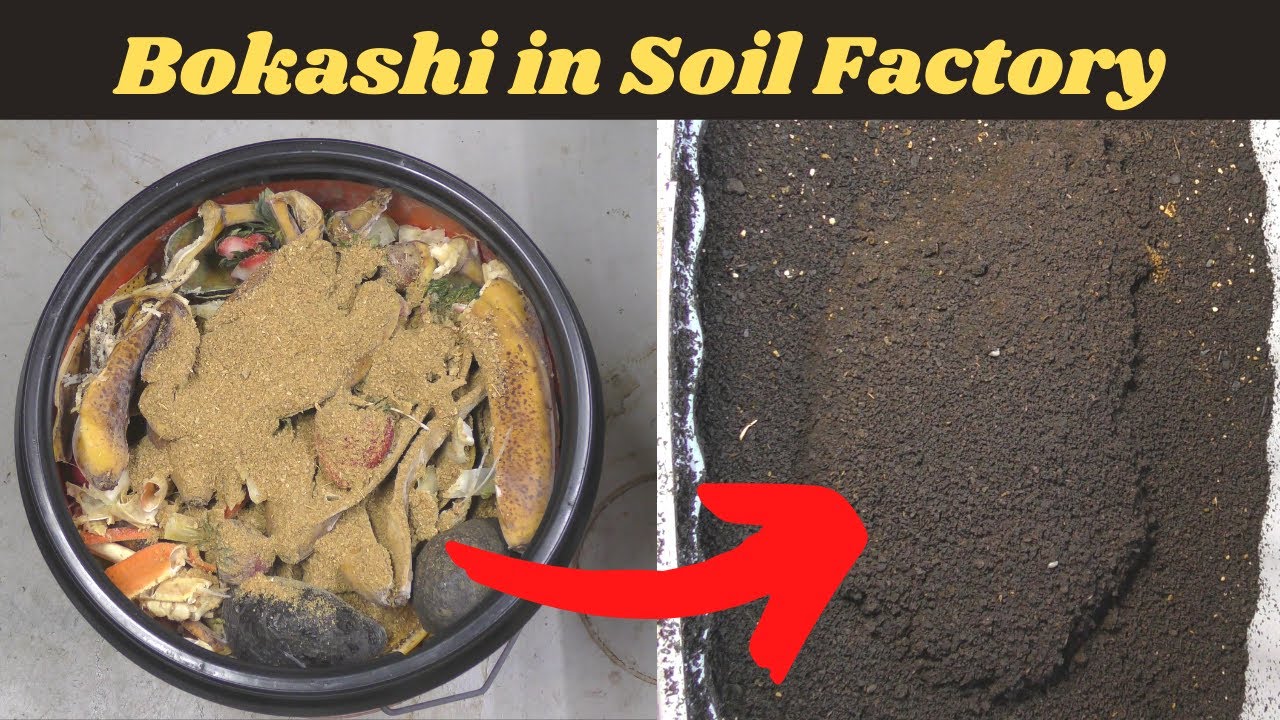
The second indicator is the looks of your waste. Since your bin is not transparent, you will only see the top layer of your organic waste. Luckily, this is enough to determine if all is well. So, if you don’t see any signs of mold or if there is white mold, the process is going excellent. On the other hand, if you see dark mold, this includes green, gray, and black mold, things are not going as they should. Unlike with bad smell, where you can often reverse things, when you see dark mold, you should discard your organic waste and start from scratch, properly following the guidelines in the “How to ensure that the bokashi process succeeds?” lesson.
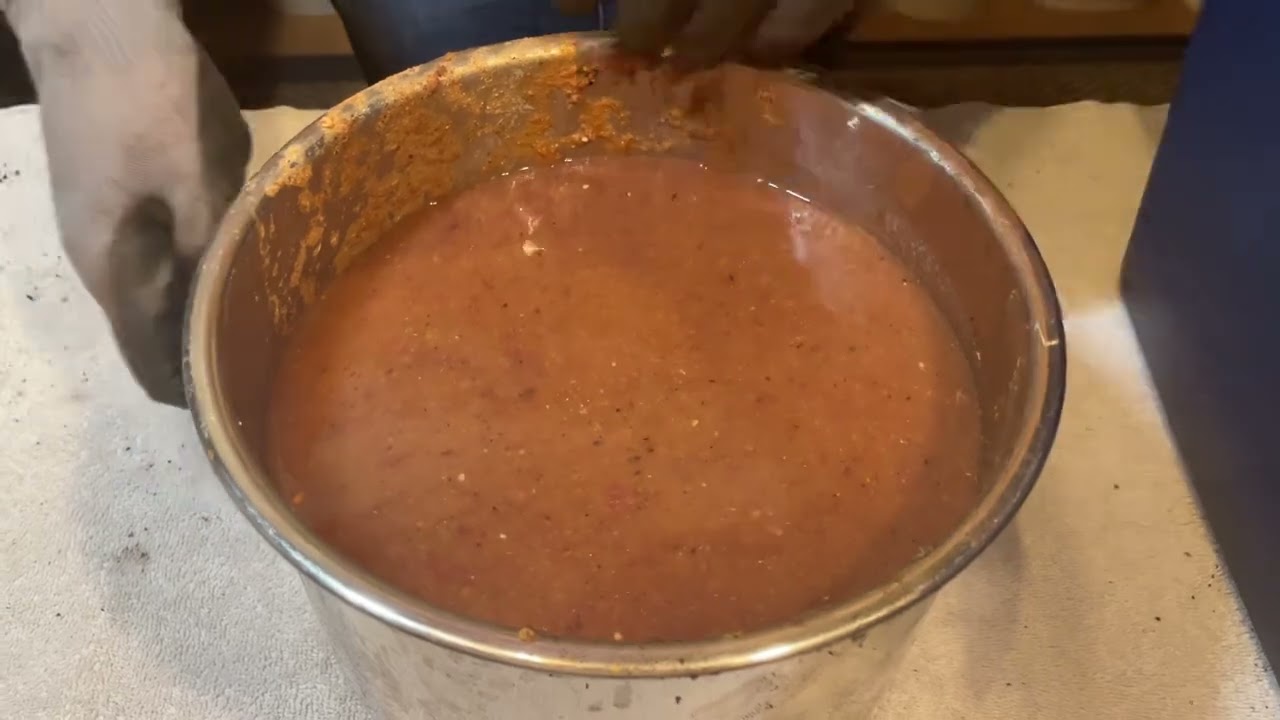
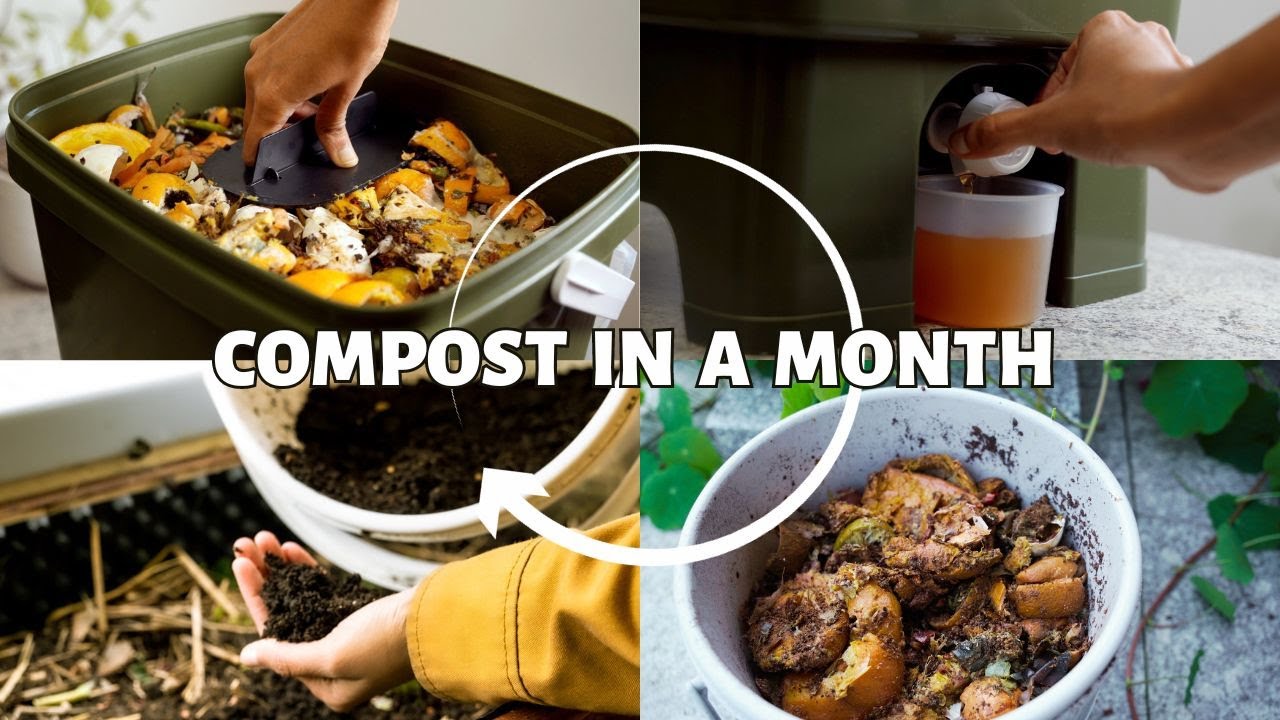
Another good indicator is the look of your bokashi liquid and its amount. When the fermentation process is underway, you can expect about 1 dl of bokashi liquid if you drain it every 3-4 days. So, if there’s no liquid even though you have a decent amount of organic waste in your bin, especially fruits and vegetables, you either need to add more bokashi bran or sprinkle some water to add some moisture. However, keep in mind that too much moisture is not good, so rather add too little than too
much water if you take this corrective measure. Aside from the amount of your bokashi juice, you should also look at its color. It should be a clear or blurry brown/yellow liquid. If it is flaky or murky, this indicates that the process may not be going properly. In that case, check for mold. If you don’t see black mold, add more organic waste and more bokashi bran.
Read more:
Why does my Bokashi bin smell? » https://bokashiorganko.com/bokashi-li...
Is white mold in compost during the fermentation process good or bad? » https://bokashiorganko.com/bokashi-li...












Информация по комментариям в разработке