January 14, 1942, Virginia Beach. Families walking the boardwalk saw it—a flash on the horizon. Then flames. The tanker Norness, torpedoed by German submarine U-123, burning three miles offshore. People called the Coast Guard. No ships available. Called the Navy. The area wasn't their responsibility.
The Norness burned for six hours within sight of Virginia Beach. Forty men abandoned ship in lifeboats. Rowed toward shore. Some made it. Hypothermic. Injured. Rescued by local fishing boats. Thirteen drowned in sight of the Virginia coast while families watched from the beach.
And it kept happening. Night after night. Ships burning in sight of American beaches. Sailors drowning within swimming distance of shore. While the US Navy did nothing.
Between January and June 1942, German U-boats sank 609 ships along the US East Coast. Killed approximately 5,000 merchant sailors. Most within twenty miles of American beaches. The solution was obvious. Known. Proven. Convoy system. The British had been using it successfully for two years—reduced shipping losses by 90%.
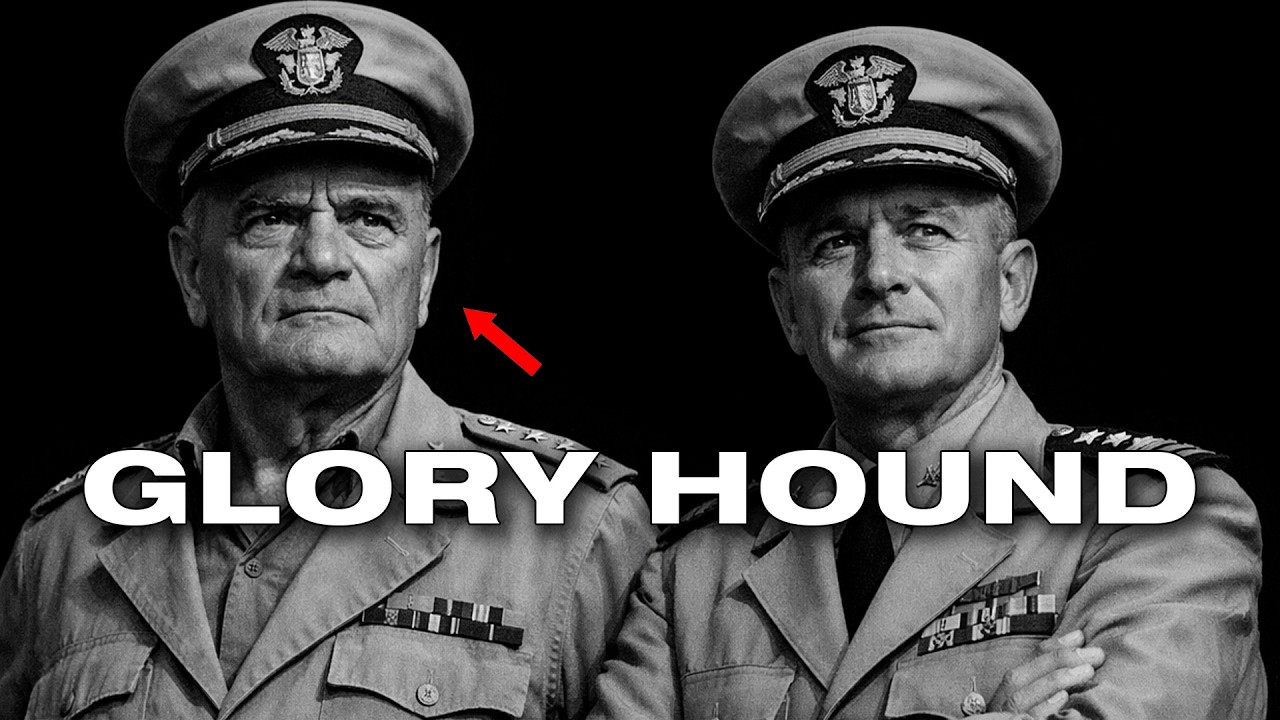
The British offered to help. Send escort ships. Share tactical knowledge. No conditions. Just help. Admiral Ernest King, Commander in Chief of the US Fleet, refused. Said American waters were America's responsibility. Said convoy wouldn't work. He was wrong. Provably wrong. And 5,000 sailors died because of it.
U-boat commander Reinhard Hardegen, aboard U-123: "It is almost shameful how easy this is. The Americans sail with lights on. Follow predictable routes. No escorts. No defensive measures. It is like shooting fish in a barrel." January 1942, Hardegen alone sank nine ships in two weeks. Families in Atlantic City watched ships burn. Bodies washed up on beaches. Oil slicks covered miles of coastline.
By February, German U-boat commanders were calling American waters "the second happy time." Admiral Karl Dönitz sent more submarines—twelve by March, twenty by April. They weren't fighting the US Navy. They were slaughtering merchant ships. One every eleven hours. For five months straight.
In November 1941—before Pearl Harbor—the British Admiralty offered to help America implement convoy. Sent tactical manuals. Offered to send escort ships. Said they'd station them in American waters. No charge. No conditions. Admiral King's response: He filed the offer. Didn't respond. Didn't implement convoy.
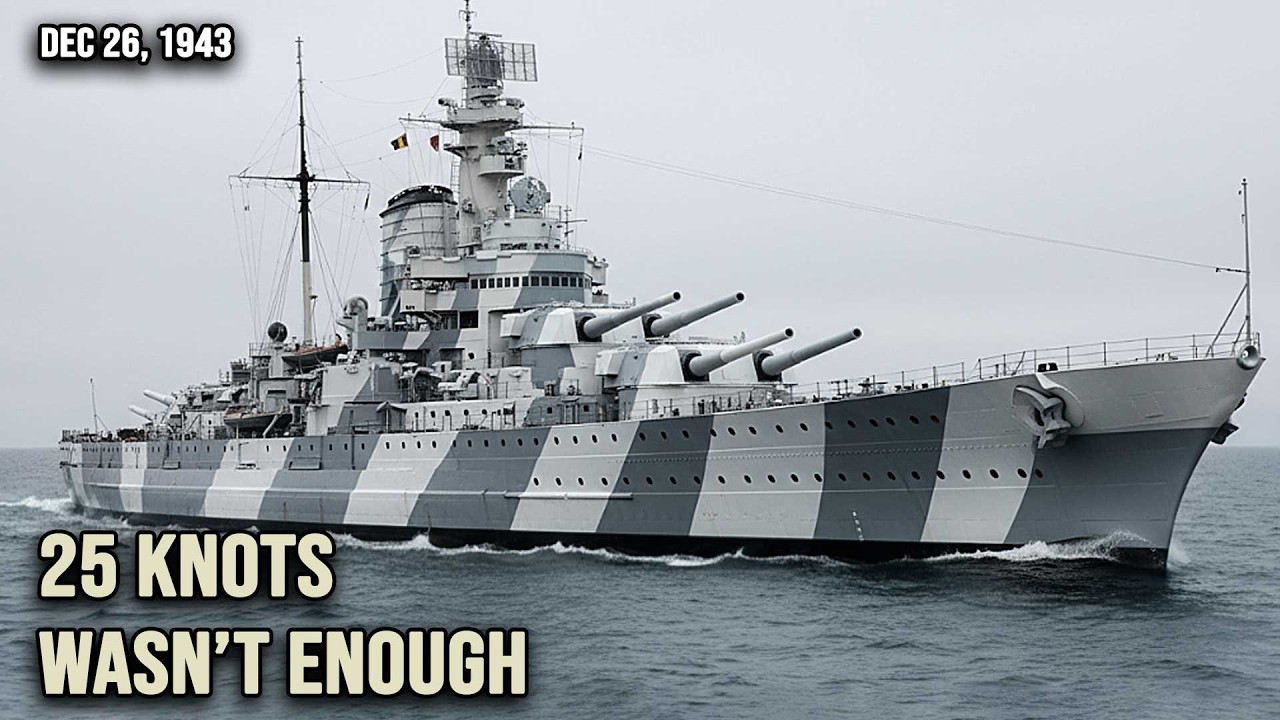
His reasoning: "We have insufficient escort vessels." This was false—the British were offering escort vessels. Ten trawlers immediately available. King refused them. Second: "Offensive patrol is more effective than defensive convoy." Also false—January through June 1942, two U-boats sunk, 400 merchant ships lost. That's 200 ships lost per U-boat killed.
Third: The real reason, documented in King's private correspondence: "I will not place American ships under British tactical control or accept British methods in American waters." Captain Wellborn, King's aide, wrote in his diary: "The Admiral doesn't want to give the British the satisfaction of being right. He'd rather lose ships than implement British tactics."
On January 12, 1942, Admiral Adolphus Andrews was warned "three or four U-boats" were about to commence operations, but he refused to institute convoy "on the grounds that this would only provide the U-boats with more targets." There were 13 destroyers idle in New York Harbor. None were employed to deal with the immediate threat.
SOURCES:
Wikipedia - "Second Happy Time" - 609 ships sunk totaling 3.1 million tons, only 22 U-boats lost, one quarter of all WWII U-boat sinkings, Admiral Andrews refused convoy January 12, 13 destroyers idle New York Harbor
U.S. Naval Institute Naval History Magazine - "The Drumbeat Mystery" (February 2022) - 6,815 merchant sailors/gunners/passengers perished, 4,605 in North Atlantic, British Rodger Winn warned "heavy concentration off North American seaboard"
Warfare History Network - "Operation Drumbeat" - King "rancorous hatred of anything British," daughter said "always in a rage," Rodger Winn: "Americans wish to learn their own lessons, have plenty of ships to do so"
World War II Database - "Second Happy Time" - 7 Coast Guard cutters, 4 yachts, several WW1-vintage vessels defended Maine to North Carolina coast, full convoys by mid-May 1942, immediate decrease
Naval History and Heritage Command - "H-008-5 Admiral Ernest J. King" - "Arguably arrogant on King's part to initially refuse British offer," March 1942 British deployed 24 anti-submarine trawlers and 10 corvettes
Michael Gannon - "Operation Drumbeat" - Called it "America's Second Pearl Harbor," blamed Admiral Ernest J. King's inaction, historian placed responsibility on commander-in-chief US fleet









Информация по комментариям в разработке