Logo video2dn
  • Сохранить видео с ютуба
  • Категории
    • Музыка
    • Кино и Анимация
    • Автомобили
    • Животные
    • Спорт
    • Путешествия
    • Игры
    • Люди и Блоги
    • Юмор
    • Развлечения
    • Новости и Политика
    • Howto и Стиль
    • Diy своими руками
    • Образование
    • Наука и Технологии
    • Некоммерческие Организации
  • О сайте

Скачать или смотреть Times of Folly / Hassan ibn Thabit / أسألت رسم الدارِ

  • Relics of Islam | آثار الإسلام
  • 2023-09-12
  • 3120
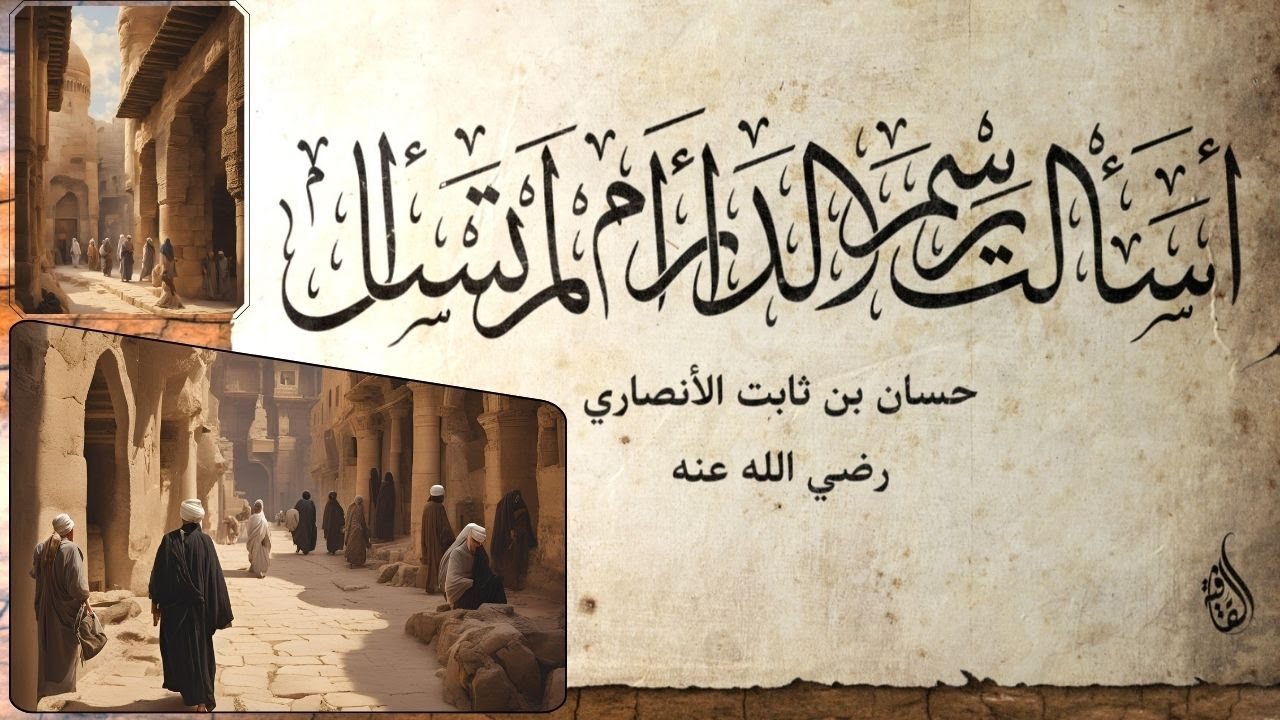
Times of Folly / Hassan ibn Thabit / أسألت رسم الدارِ
  • ok logo

Скачать Times of Folly / Hassan ibn Thabit / أسألت رسم الدارِ бесплатно в качестве 4к (2к / 1080p)

У нас вы можете скачать бесплатно Times of Folly / Hassan ibn Thabit / أسألت رسم الدارِ или посмотреть видео с ютуба в максимальном доступном качестве.

Для скачивания выберите вариант из формы ниже:

  • Информация по загрузке:

Cкачать музыку Times of Folly / Hassan ibn Thabit / أسألت رسم الدارِ бесплатно в формате MP3:

Если иконки загрузки не отобразились, ПОЖАЛУЙСТА, НАЖМИТЕ ЗДЕСЬ или обновите страницу
Если у вас возникли трудности с загрузкой, пожалуйста, свяжитесь с нами по контактам, указанным в нижней части страницы.
Спасибо за использование сервиса video2dn.com

Описание к видео Times of Folly / Hassan ibn Thabit / أسألت رسم الدارِ

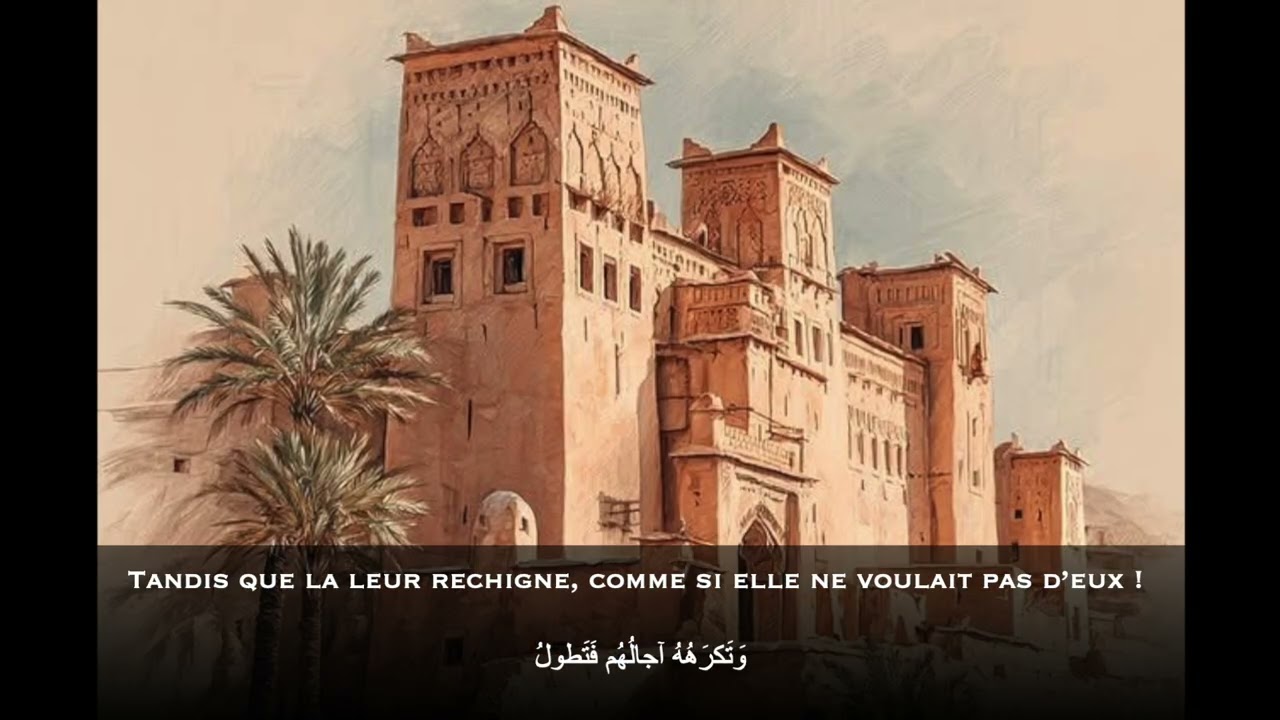
A poem by Hassan bin Thabit, which is the most beautiful of his poems, in which he praised “Al Jafnah”, the kings of the Levant before Islam.

At a length of thirty-three lines, this poem is the longest of Hassan’s Ghassanid odes and can be divided into five sections. The poem opens with a traditional six-line nasib which describes the traces (diman) of the abandoned abodes (verses 1-6). The second section (verses 7-20) is the lengthy madih which praises the Ghassānids for their nobility, wealth, bravery, generosity, sophistication, and might. This passage presents several tableaux which explore these praiseworthy traits. As was mentioned previously, this praise section is not devoted to any one Ghassānid ruler. The praise is general and can be applied to the Ghassānids as a whole, or perhaps more accurately, the praise is dedicated to Hassān’s memories of the Ghassānids. This section contains some of the indicators that Hassān’s patrons were not in power when the poem was composed. Phrases such as “in the distant past” (fī al-zamān al-awwal, verse 7) and “I abided in their company for a long time” (fa-labithtu azmān tiwāl fīhim, verse 18) suggest both that Hassān spent significant time with his patrons and that this time was in the distant past.

The passage of time is emphasized in verse 19, by the poet’s mention of his graying hair. The madih section is peppered with references like this to the poet himself, such as his reminiscences of the time he spent drinking with his patron (verses 16-17) and the security of his position at that time (verse 20). These lines give the poem a personal touch and suggest that the poet is not simply composing lines for personal gain. These statements indicating the passing of time are not part of the nasīb proper, where they sometimes appear in the other odes; rather, they are part of the praise section itself. This link between the mood of loss and nostalgia traditionally associated with the nasīb and the main gharad of the ode gives the poem a unity of meaning and cohesive organization.

This section of nostalgic praise shifts to a five-line passage on wine (verses 21-25). Although not the first reference to wine in the poem, this is the longest consecutive series of verses on the topic. In the preceding praise section, Hassān mentions reclining in a tavern and listening to a songstress (verses 16-17). In this passage, Hassān extols the quality of the wine and retells an anecdote that occurred at a tavern (hānūt) in al-Shām.

Following the wine description is a section of fakhr (verses 26-30) in which the poet praises his own poetic prowess and extols the virtues of his tribe. Hassān closes with a three-line coda (verses 31-33) that returns to the main topic of the ode, the praise of the Ghassānids. He reiterates the generosity and strength of his patrons. In this final section, it seems Hassān may have had a specific Ghassānid king in mind, unlike his earlier section which only praised the Ghassānids in broad terms. Yet, he does not mention a name, referring only to the mamdūh as “a youth.” The qasida closes somewhat abruptlyas the poet mentions setting off in the early morning to drink wine with the unnamed Ghassānid companion.

The rhyme letter is lām and the meter is al-kāmil.

Translation is by Jennifer Hill Boutz, M.A, but I have made changes to it.

Book:
HASSĀN IBN THĀBIT, A TRUE MUKHADRAM:
A STUDY OF THE GHASSĀNID ODES OF HASSĀN IBN THĀBIT

Arabic books where explanation is from:
ديوان حسان بن ثابت ط العلمية
شرح ديوان حسان بن ثابت الأنصاري

Explanation
   • أسألت رسم الدار أم لم تسأل حسان بن ثابت مع...  

Record by Osamah Al-Qatawinah
   • حداء || أسألت رسم الدار أم لم تسأل || قصيد...  

Комментарии

Информация по комментариям в разработке

Похожие видео

  • Ta'iyyah Of Abu Ishaq Al-Ilbeeri - One Of The Greatest Poems Ever - التائية لابو إسحاق الألبيري
    Ta'iyyah Of Abu Ishaq Al-Ilbeeri - One Of The Greatest Poems Ever - التائية لابو إسحاق الألبيري
    9 лет назад
  • حسان بن ثابت   رضي الله عنه   أسألت رسم الدار   بصوت فالح القضاع
    حسان بن ثابت رضي الله عنه أسألت رسم الدار بصوت فالح القضاع
    9 лет назад
  • Семён Слепаков* про Иран
    Семён Слепаков* про Иран
    8 часов назад
  • A Night With No Dawn
    A Night With No Dawn
    2 месяца назад
  • La Qassida d'honneur des Arabes - Samaw'al ibn 'Adiyya - Traduction française originale
    La Qassida d'honneur des Arabes - Samaw'al ibn 'Adiyya - Traduction française originale
    2 недели назад
  • Laysal Ghareeb - The Stranger Is Not - (Poem by Great Grandson of Prophet Muhammad (ﷺ)
    Laysal Ghareeb - The Stranger Is Not - (Poem by Great Grandson of Prophet Muhammad (ﷺ)
    9 лет назад
  • ДЕНЬ 7. КТО УДАРИЛ ПО АЗЕРБАЙДЖАНУ /  АЙСИН / POISTINE
    ДЕНЬ 7. КТО УДАРИЛ ПО АЗЕРБАЙДЖАНУ / АЙСИН / POISTINE
    Трансляция закончилась 3 часа назад
  • Hassan ibn Thabit Defending Prophet Mohammad
    Hassan ibn Thabit Defending Prophet Mohammad
    2 года назад
  • أسألت رسم الدار أم لم تسأل حسان بن ثابت مع شرحها بطريقة مميزة
    أسألت رسم الدار أم لم تسأل حسان بن ثابت مع شرحها بطريقة مميزة
    3 года назад
  • Иман Валерия Порохова о Рамадане, татарах и русских мусульманах
    Иман Валерия Порохова о Рамадане, татарах и русских мусульманах
    7 лет назад
  • A Poem of Praise by al-A'sha
    A Poem of Praise by al-A'sha
    3 года назад
  • أسألت رسم الدار أم لم تسأل | حسان بن ثابت الأنصاري | مع شرح الأبيات | حداء: أسامة القطاونة
    أسألت رسم الدار أم لم تسأل | حسان بن ثابت الأنصاري | مع شرح الأبيات | حداء: أسامة القطاونة
    1 год назад
  • Иран. Как разнести весь мир
    Иран. Как разнести весь мир
    4 часа назад
  • Umar ibn Farid: Give me an excess of Love
    Umar ibn Farid: Give me an excess of Love
    7 лет назад
  • The Fall of Al-Andalus: History’s Saddest Poem
    The Fall of Al-Andalus: History’s Saddest Poem
    3 месяца назад
  • The Nasheed of Sahaba (turn on captions)
    The Nasheed of Sahaba (turn on captions)
    4 года назад
  • الخمرية لابن الفارض بصوت: نزار طه حاج أحمدThe Wine Song (al Khamriya) Ibn Al-Faridh
    الخمرية لابن الفارض بصوت: نزار طه حاج أحمدThe Wine Song (al Khamriya) Ibn Al-Faridh
    2 года назад
  • Шейх Билял Асад - История про молодого юношу
    Шейх Билял Асад - История про молодого юношу
    4 года назад
  • Удары по ОАЭ. Россия помогает Ирану. Украинские военные едут на военные базы США сбивать дроны
    Удары по ОАЭ. Россия помогает Ирану. Украинские военные едут на военные базы США сбивать дроны
    1 час назад
  • This Love Poem will Make You Cry
    This Love Poem will Make You Cry
    11 месяцев назад
  • О нас
  • Контакты
  • Отказ от ответственности - Disclaimer
  • Условия использования сайта - TOS
  • Политика конфиденциальности

video2dn Copyright © 2023 - 2025

Контакты для правообладателей video2contact@gmail.com